
Remember when marketing meant putting up a billboard and hoping the right people would drive by?
Those days are long gone.
Today, people are glued to their phones scrolling through Instagram, asking voice assistants for advice, reading reviews, or buying things while watching a show on Netflix. Attention is everywhere… but also nowhere. And if your business is still using the same old tricks from 2015, you’re likely being ignored.
The internet has changed how people shop, learn, and decide who to trust. That’s where digital marketing strategies come in. Not trends. Not buzzwords. Just real, practical ways to reach people where they already are and give them something worth paying attention to.
In this guide, we’re going to walk you through exactly what a smart digital strategy looks like in 2025.
8 Digital Marketing Strategies That Actually Work
Not every shiny new idea is worth your time. But some strategies have stood the test of time because they work. Here’s what’s making a real difference in 2025, explained in plain, useful terms.
1. Content Marketing
This isn’t about writing endless blog posts or pushing out dry sales copy. Good content answers questions, solves problems, or simply entertains. According to the Content Marketing Institute (2024), 90% of top-performing marketers focus on audience needs, not just brand promotion.
GoPro nails this by sharing videos from real users doing incredible things. They don’t just talk about cameras but also show what their customers can do with them.
In 2025, tools are making content creation easier than ever, but the goal stays the same: help, don’t hype.
2. SEO (Search Engine Optimization)
SEO means showing up when someone searches for what you offer. It’s not just about Google anymore.
People now ask questions through voice search and AI tools like ChatGPT. That means your content has to sound natural, be clear, and load fast.
Important things to know:
- Make sure your website works well on phones
- Keep page speed fast
- Write content that gives answers, not just keywords
SEO is a long game. But when it works, it keeps bringing traffic without paying for every click.
3. Email Marketing
Despite what some say, email is far from dead. In fact, your inbox might be the only place where brands still have your full attention. Email marketing still delivers an average ROI of $36 for every $1 spent (Litmus, 2023).
Personalized emails like a birthday discount or a reminder about an item left in your cart feel more helpful than annoying when done right.
Use email to stay useful:
- Welcome new customers
- Send quick tips or updates
- Offer deals that actually make sense
Keep it friendly, not salesy.
4. Social Media Marketing
It’s not about being everywhere. It’s about showing up where your audience spends time.
If they love Instagram, focus there. If they scroll TikTok, create short videos. Trying to chase every trend leads nowhere.
In 2025, video still leads:
- YouTube (30%)
- Instagram Reels (29%)
- TikTok (28%)
Nike keeps winning here by turning their campaigns into movements, not just ads. It feels like a conversation, not a commercial.
5. Pay-Per-Click (PPC) Advertising
PPC means paying only when someone clicks your ad. You can run these on Google, Facebook, Instagram, and more.
This works fast. Unlike SEO, which takes time, PPC can bring in results within a day if done smartly.
Temu used this to grow quickly, targeting the right audience at the right moment.
You don’t need a huge budget to start. But you do need to test, learn, and keep improving.
6. Influencer & Affiliate Marketing
People trust people more than ads. That’s why creators, bloggers, and even everyday users can help spread the word better than a traditional campaign.
Smaller influencers often drive better engagement because they feel more relatable.
Nike, again, doesn’t just pay influencers, they build long-term partnerships that match their brand story.
But be careful. Fake followers and bots are common. Check engagement, not just follower counts.
7. AI-Powered Marketing
AI isn’t magic. But it is helpful when used right.
Take Sephora for example. Their virtual assistant helps people pick the right product based on skin tone, preferences, and previous purchases. It feels personal without needing a real person every time.
Smart ways to use AI:
- Automated replies
- Product recommendations
- Personalized email flows
In 2025, AI tools are becoming part of the process (not the whole thing).
8. Omnichannel Marketing
People move between apps, websites, and platforms in seconds. Your marketing should keep up.
That’s what omnichannel is about. Giving your customer a smooth experience, no matter where they are.
Amazon is the gold standard. Whether you’re browsing, buying, or returning a product, everything feels connected.
For smaller businesses, this means:
- Linking your social pages with your site
- Making sure your messages are consistent
- Thinking mobile-first, because that’s where people are most of the time
These are the strategies that are actually delivering results in 2025. Not because they’re trendy, but because they’re built on one simple idea: meet people where they are, and make it easy for them to trust you.
Real Success Stories (The Good, The Bad, The Lessons)
Seeing data-driven stories from actual brands is the best way to understand what works and where to watch out.
Sephora’s AI Revolution
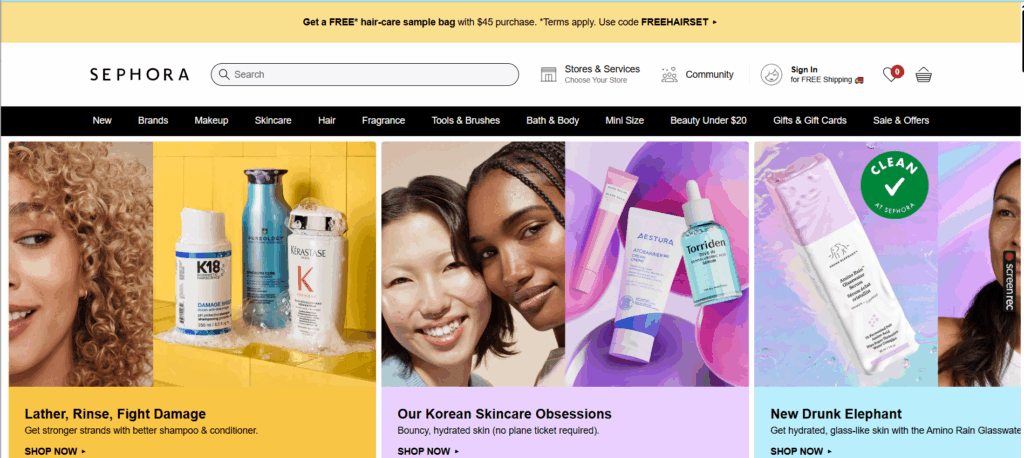
The strategy: Sephora launched a virtual shopping assistant that recommends products based on skin tone, preferences, and purchase history.
The results: In-store and online sales got a real lift, with customers saying they felt more confident in their picks. (Data on exact revenue gains wasn’t public, but the assistant is still expanding.)
The lesson: AI works when it solves a real need like helping someone find the right foundation.
The takeaway: Personalized recommendations can drive real business results.
Temu’s Rapid Growth
The approach: Temu backed its growth with a digital marketing blitz. In 2023, its global ad spend jumped by 1,000% year over year, with over $517 million spent in the U.S. alone from September to December.
Additional proof:
- The platform hit 292 million active users worldwide .
- U.S. brand awareness reached 86% of adults by March 2024, a jump from 75% six months earlier.
- In a four-month span, Temu allocated over $21 million in Super Bowl ads.
The lesson: You need to invest to stand out.
The warning: Rapid growth is good, but only if people stick around.
GoPro’s Community Power
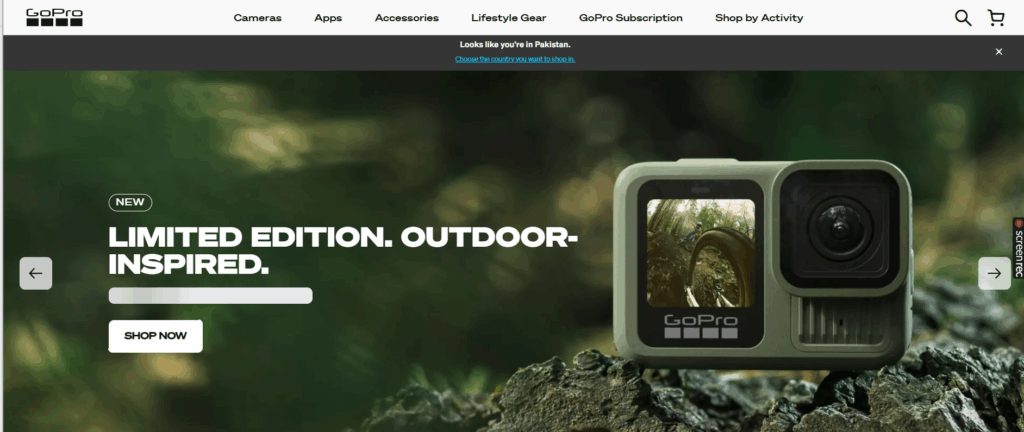
The insight: GoPro turned its users into storytellers. That user content became the brand’s best marketing.
The execution: Their “Million Dollar Challenge” invited users to submit adventure clips filmed on GoPro cameras.
The results:
- In the first year, 25,000 submissions came in.
- Now, over 40,000 clips and 72 hours of footage are submitted annually .
- More than 50% of GoPro’s video content and 80% of its social photos are user-generated.
- Their Instagram account grew by over 20 million followers, largely fueled by user submissions.
The lesson: Give people a reason to share your brand.
The result: A loyal, engaged community and content that keeps on giving.
These stories share a key insight: successful digital marketing is human-first. Use tools and budgets where they matter. And always remember the heart of it (people).
To Conclude…
Digital marketing in 2025 isn’t about being everywhere or using every tool. It’s about showing up with purpose on the right platforms, with the right message, for the right people.
The best strategies don’t chase trends. They solve real problems, build real relationships, and make every interaction count. That’s what today’s customers remember.
So as you build your own marketing plan, start here. Pick two or three strategies that make sense for your business. Focus on helping, not just selling. And stay flexible. Because the platforms will change but trust, clarity, and value will always matter.